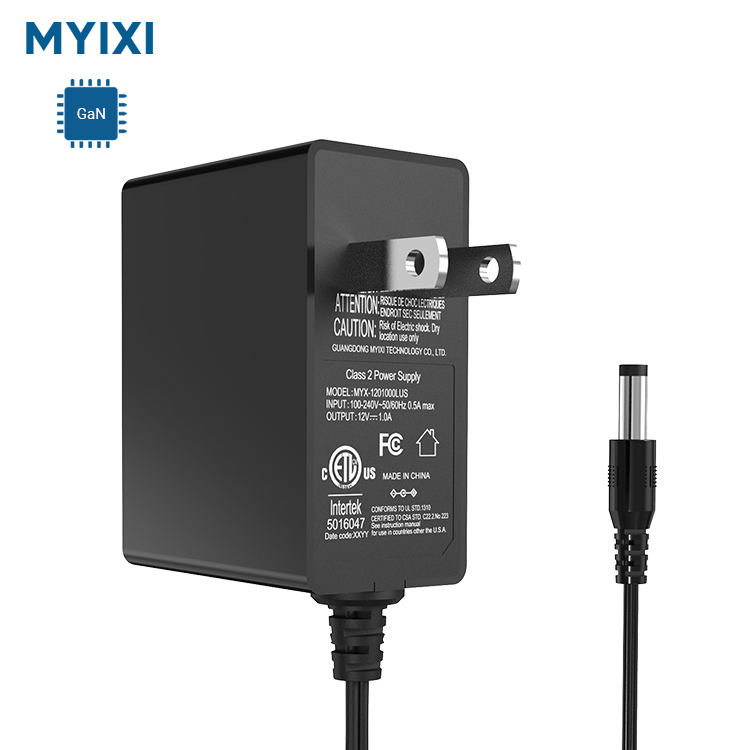
When it comes to powering your essential electronic devices, a high-quality power adapter is non-negotiable. A mismatched or low-quality adapter not only fails to charge your device properly, but it can also damage internal components, shorten your device’s lifespan, or even pose a safety risk. Whether you’re replacing a lost charger, upgrading to a more durable one, or buying an extra adapter for home and office use, choosing the right power adapter doesn’t have to be complicated.
The good news is that with a few key considerations, you can pick the perfect power adapter that fits your device, delivers stable power, and lasts for years. In this guide, we break down everything you need to know to make the right choice—no technical expertise required.
What Do You Need to Check First Before Buying a Power Adapter?
The most critical rule for choosing a power adapter: match the specs of your original adapter exactly. Your device is designed to run on a specific voltage, current, and connector type, and deviating from these specs is the biggest mistake you can make.
1. Voltage (V) – Non-Negotiable MatchVoltage is the top priority. If the adapter’s voltage is lower than your device’s requirement, your device will not charge or turn on at all. If the voltage is higher, it will burn out your device’s circuit board, battery, and other internal parts permanently. Always check the voltage label on your device (usually printed on the back/bottom) or original charger—choose an adapter with the exact same voltage (e.g., 5V, 12V, 19V, 24V).
2. Current (A/ mA) – Go Equal or Higher (Never Lower)Current (measured in Amperes or milliamperes) refers to the amount of power the adapter can supply to your device. Your device will only draw the current it needs, so an adapter with a higher current rating than your original is safe and even better—it means the adapter won’t overwork to power your device, reducing overheating and wear. The only risk is a lower current rating: the adapter will struggle to supply enough power, leading to slow charging, overheating, and adapter failure.
3. Connector Polarity & Size – Ensure a Secure FitEven if the voltage and current are perfect, a wrong connector will render your adapter useless. Two key details here: polarity (center positive/center negative) and plug size. Most small electronics (tablets, speakers, routers) use center-positive plugs, while some devices use center-negative—a reversed polarity will damage your device instantly. For plug size, check the diameter (e.g., 5.5×2.1mm, 4.0×1.7mm) and make sure it fits snugly into your device’s charging port.
4. Device Compatibility – Don’t Ignore the Type of DeviceLaptops, gaming consoles, LED strips, security cameras, and small home appliances all use different power adapters. Laptops need high-power adapters with stable output, while small devices like Bluetooth speakers only need low-power adapters. Always confirm the adapter is listed as compatible with your device type—this avoids compatibility issues and ensures optimal performance.
Quality Matters: Why Cheap Power Adapters Are Not Worth the Savings
It’s tempting to buy a cheap generic power adapter for a fraction of the cost of a branded one, but this is a costly mistake in the long run. Low-quality adapters are made with inferior materials, lack proper voltage regulation, and skip critical safety features like overvoltage protection, overcurrent protection, and short-circuit protection.
These cheap adapters often deliver unstable power, which causes your device to charge slowly, shut down unexpectedly, or suffer permanent battery damage. Worse still, they can overheat, melt, or even start a fire. A premium power adapter may cost a little more upfront, but it offers stable power delivery, built-in safety protections, and a longer lifespan—protecting both your device and your home.
Final Quick Tips for a Perfect Power Adapter Choice
✅ Always check your device’s original specs first (voltage, current, polarity)
✅ Prioritize adapters with built-in safety protections
✅ Choose a higher current rating if you can’t find an exact match
✅ Avoid loose-fitting connectors—they cause intermittent power supply
✅ For frequent travel, opt for a universal adapter with multiple plug types
Wrapping Up
Choosing the right power adapter is all about matching specs and prioritizing quality. By following these simple guidelines, you can avoid costly mistakes, protect your valuable electronics, and ensure your devices stay powered reliably for years. A great power adapter is an investment in your device’s performance and longevity—don’t cut corners when it comes to powering what matters most.